How the ECIU Leadership Programme strengthens the university leaders of the future
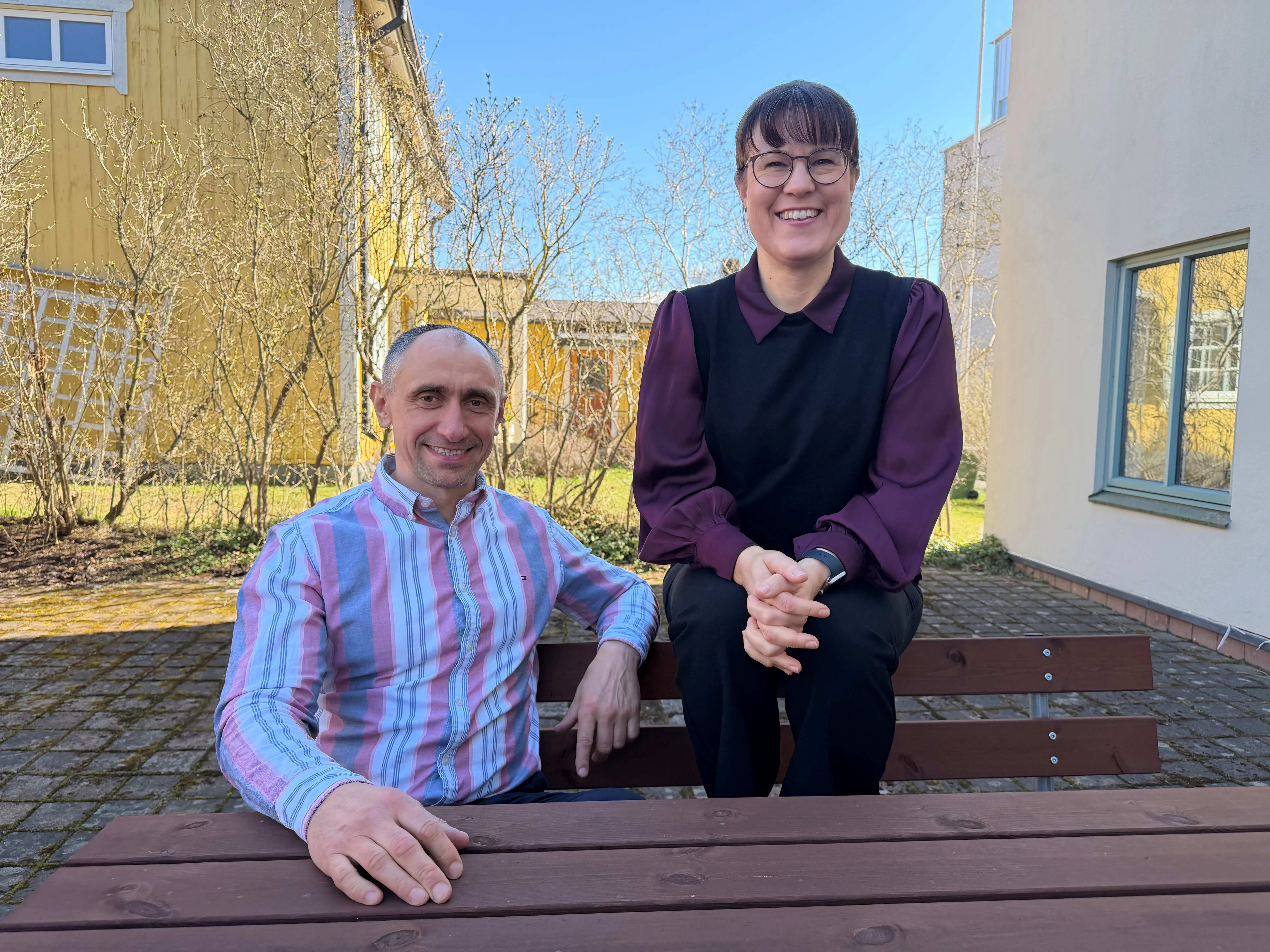
Over five intensive months, participants from across Europe worked to develop their leadership skills, challenge ingrained ways of working, and collectively address real future challenges faced by a university in transition. For Malin Lindqvist Appell and Aliaksei Kazlou, the ECIU Leadership Development Programme (LDP) became more than just a leadership programme – it was a deeply educational journey that continues to shape their work long after completion.
“You grow – both as a leader and as a person”.
This is how Malin Lindqvist Appell and Aliaksei Kazlou sum up their experiences, which continue to influence their leadership.
A programme for the university leaders of tomorrow
The ECIU Leadership Development Programme is aimed at professionals working in both academia and support functions at different levels of the organisation. For Malin, Deputy Dean responsible for education at the Faculty of Medicine and Health Sciences, the combination of leadership and internationalisation was crucial:
“Internationalisation is one of my areas of responsibility, and I felt that we could be doing much more. The programme gave me both an understanding of ECIU University and concrete tools for working more strategically.”
For Aliaksei, Senior Lecturer in Business Administration, the motivation was as much about stepping out of his own role as it was about deepening his leadership skills:
“I teach leadership and challenge-based learning(CBL), but here I was able to be a participant myself. Experiencing the methods from a different perspective was extremely valuable.”
Heterogeneity – the programme’sgreatest strength
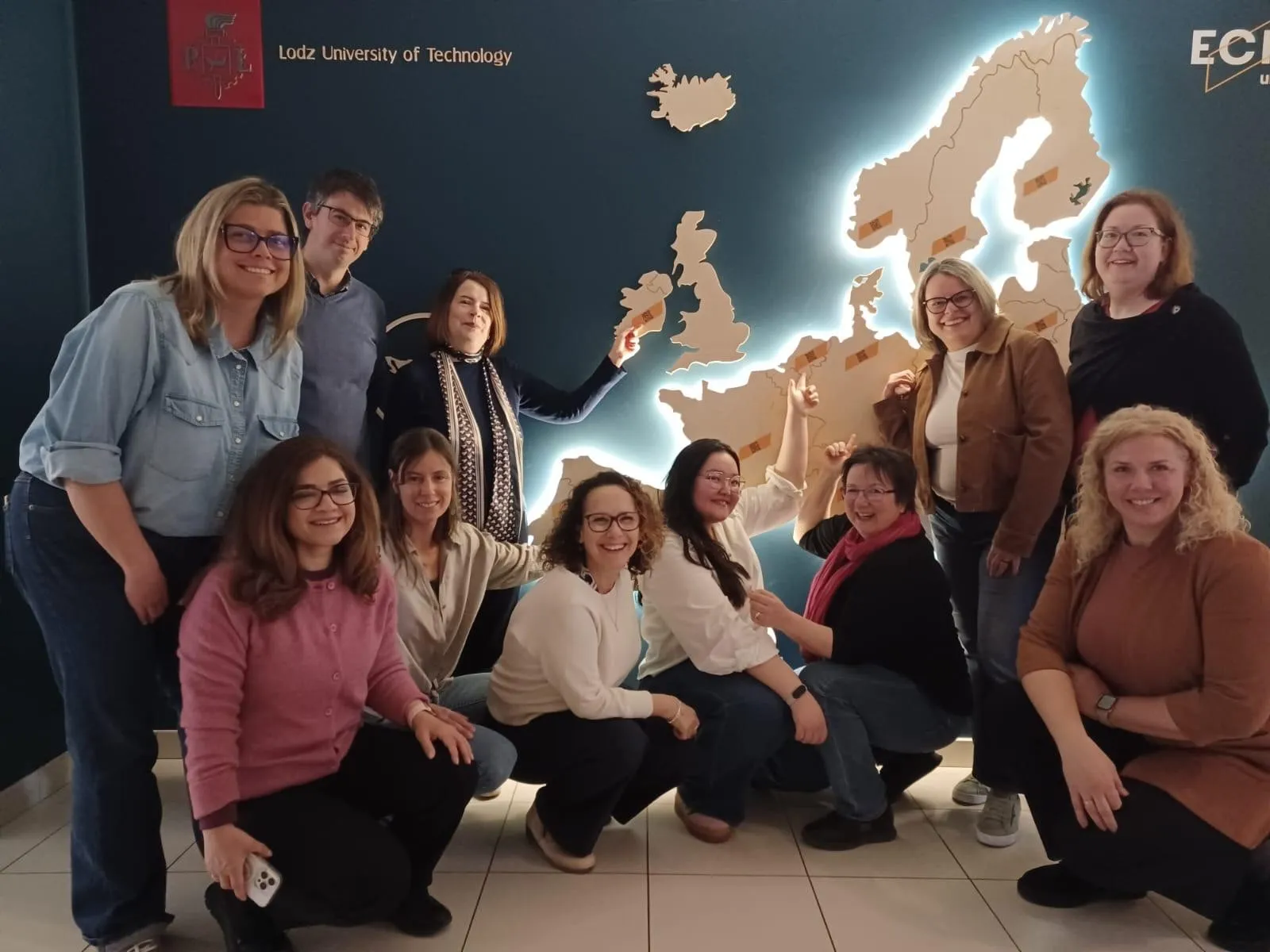
One aspect repeatedly highlighted by both Malin and Aliaksei is the composition of the group. Participants came from different countries, universities, disciplines and roles – from HR specialists and coordinators to heads of department and faculty leadership.
“It was very heterogeneous, and that is precisely what made the conversations so rich. Everyone had different leadership experiences, different mandates and different realities – but we met on equal terms,” says Malin.
Aliaksei describes the programme as a kind of living experiment in international collaboration:
“We worked with people from different cultures and leadership traditions. It wasn’t always easy – but it was incredibly educational.”
Three interconnected components
The programme is built around three distinct yet closely interwoven components:
· understanding European higher education
· personal leadership development
· challenge-based learning (CBL)
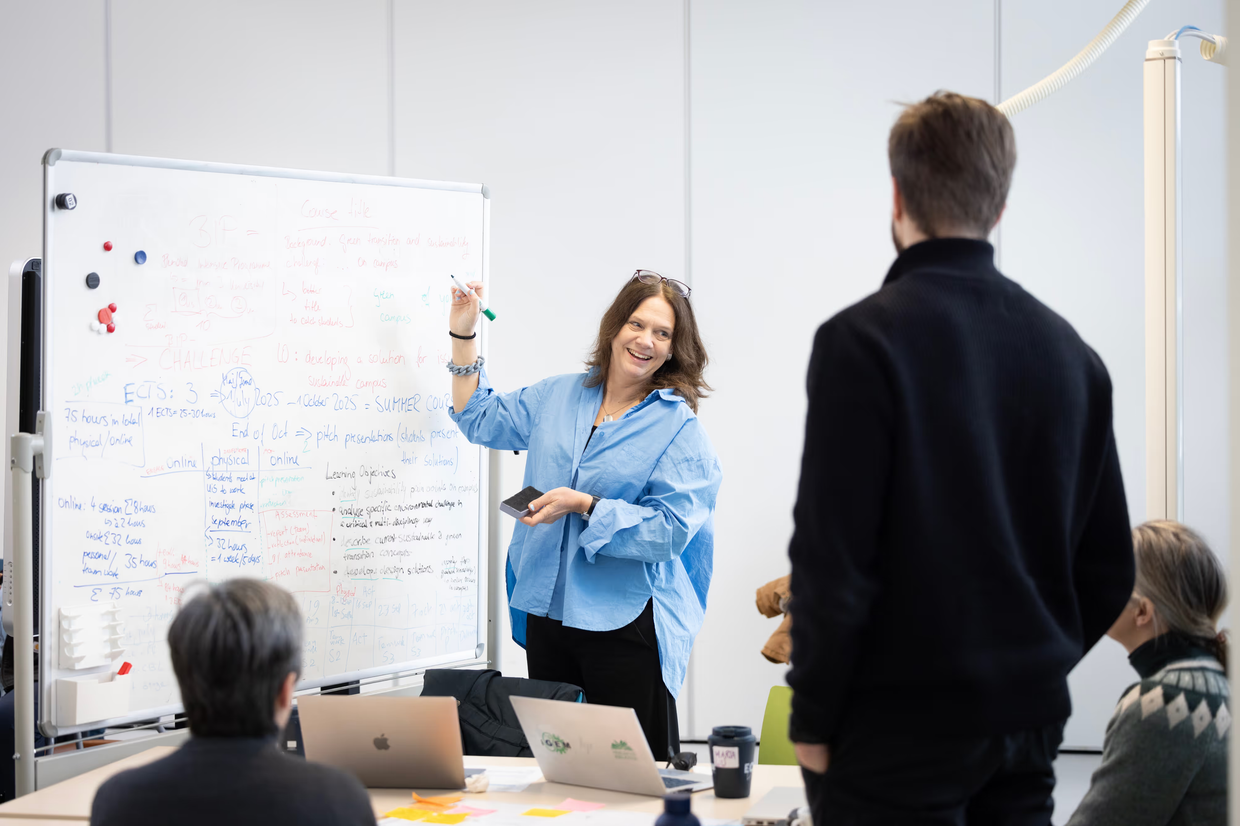
In the leadership component, participants worked closely with a coach and received continuous feedback – sometimes very direct.
“We sat in the ‘hot seat’ and heard how others perceived us as leaders. It was tough, but incredibly developmental,” says Malin. “You really got to know your strengths – but also how they can turn into weaknesses under pressure.”
Aliaksei particularly highlights the focus on strengths-based leadership and self-awareness:
“I realised that some of my strongest traits, when overused, can become negative. Just that insight alone makes me a better leader.”
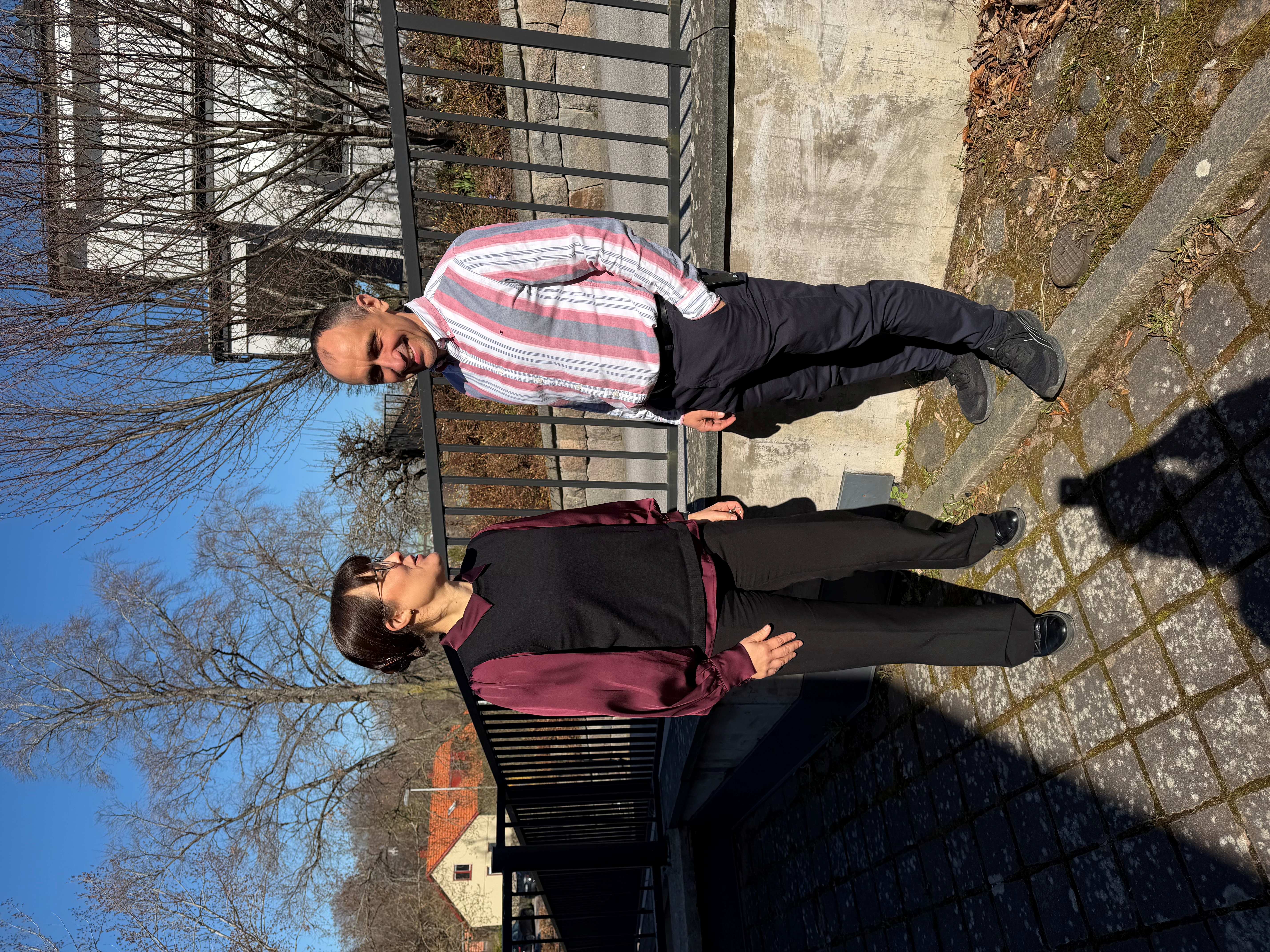
Malin and Aliaksei started and finished their days together during the long walks to and from the hotel that was accidentally booked 40 minutes away from the main course venue.
Being a student again
The third part of the programme, the CBL project, was seen by many as the most demanding – but also the most rewarding. In international groups, participants worked on a shared societal challenge: urbanisation and demographic change, and how these affect the future of universities.
“We had to collaborate remotely, find working structures, manage time pressure and cultural differences. Exactly like our students do,” says Malin.
For Aliaksei, this served as a clear reminder of the breadth of the university mission:
“Universities are not just about teaching and research. They are entire ecosystems – HR, libraries, finance, innovation. That became very clear through the project.”
The final presentation to the ECIU Board in Brussels was a well-received conclusion – and a clear indication that the work was taken seriously.
Full focus – and permission to get immersive
An especially appreciated element of the programme was the in-person meetings in Linköping, Kaunas and Brussels. The days were intensive, often from morning to evening, with clear frameworks.
“No laptops, no phones. Just total focus. It felt almost unfamiliar – but very liberating,” says Malin. “You were given permission by the organisation to temporarily let go of everything else and really immerse yourself.”
Aliaksei agrees:
“When we were on site, we lived entirely within the programme. It made a huge difference compared to courses you do ‘on the side’ of your everyday work.”
Effects that are already visible
Both describe how the programme has already had tangible effects.
Malin is using her new insights to systematically review how the Faculty of Medicine and Health Sciences can engage more deeply in ECIU University’s educational collaborations – despite constraints related to professional programmes and regulated degrees.
Aliaksei points to the network as a key outcome:
“I now have colleagues all over Europe. We are already talking about future collaborations and EU funding applications.”
Clear advice: Be brave but don't forget to set aside the time
Their shared advice to future applicants has two parts: Be prepared for the programme to require time (especially the group work between sessions) and plan for this from the start.
Above all:
“Apply. It’s different, it’s real, and it’s incredibly developmental,” says Malin. “You grow – both as a leader and as a person.”
For anyone who wants to understand the role of universities in Europe, develop their leadership at the intersection of theory and practice, and at the same time build relationships that extend far beyond their own organisation, the ECIU Leadership Development Programme emerges as a programme that makes a genuine difference – both now and in the long term.
Author: Therese Winder
Photos provided by Therese Winder

ECIU
The European Consortium of Innovative Universities is a network of universities who are united by a common profile, by shared beliefs and interests and mutual trust.All ECIU universities have strengths in engineering and social sciences.